
Karachi hospitals are reporting 500 to 750 suspected chikungunya cases every single day since this year’s monsoon rains began pooling stagnant water across the city. If you have a sudden high fever paired with joint pain so severe you can barely hold a cup of tea, you need an online doctor for chikungunya in Pakistan who can examine you properly — not just a phone call that guesses at your symptoms. This guide explains what chikungunya is, why it is surging in Karachi right now, and how CARELINE’s eEVA™ remote clinical examination lets a real doctor check your vitals, joints, and skin from your own home.
Table of Contents
- What Is Chikungunya and Why Is It Spreading in Karachi?
- Why Chikungunya Is a Growing Crisis in Pakistan
- How CARELINE and eEVA™ Help You Get Diagnosed Safely
- What You Can Do Right Now
- How to Book a CARELINE Examination
- Frequently Asked Questions
What Is Chikungunya and Why Is It Spreading in Karachi?
Chikungunya is a viral illness spread by the same Aedes aegypti mosquito that carries dengue and Zika. Unlike dengue, chikungunya’s hallmark symptom is not just fever — it is joint pain so severe that patients often struggle to walk, grip objects, or climb stairs for days or even weeks. Other symptoms include sudden high fever, headache, muscle pain, joint swelling, fatigue, nausea, and a skin rash that can appear a few days after the fever starts.
This monsoon season, Karachi’s overcrowded neighborhoods and flooded drains have created ideal breeding grounds for these mosquitoes. Major hospitals across the city are seeing a steep rise in patients presenting with fever and joint pain, and doctors warn the outbreak is affecting both the young and the elderly. Because chikungunya shares symptoms with dengue and typhoid, getting an online doctor for chikungunya in Pakistan to properly examine you — rather than self-diagnosing from a WhatsApp forward — is the safest first step.
Why Chikungunya Is a Growing Crisis in Pakistan
Chikungunya is not a new visitor to Pakistan, but its scale has changed. The World Health Organization’s Eastern Mediterranean Regional Office issued a joint statement with Pakistan’s Ministry of National Health Services on the rising chikungunya burden, noting that vector-borne disease surveillance and rapid clinical response are critical to preventing severe outcomes. Research published on PubMed Central has also documented a direct link between the current outbreak pattern and the same Aedes mosquito ecosystem responsible for dengue, meaning any spike in one disease is often a warning sign for the other.
What makes chikungunya especially dangerous in Pakistan’s context is the joint pain it leaves behind. Unlike a typical viral fever that resolves in a few days, chikungunya-related joint pain can persist for weeks or months, quietly disabling daily-wage workers, elderly parents, and mothers managing households. For families already stretched thin by Karachi’s traffic and the cost of specialist visits, delaying diagnosis because a clinic visit feels impossible is a real and common mistake — one that CARELINE’s telehealth services were built specifically to remove.
Certain groups face a higher risk of severe or prolonged illness: newborns, adults over 65, and people with pre-existing conditions like diabetes or heart disease. In these patients, chikungunya can trigger complications that go well beyond joint pain, including heart rhythm irregularities and dangerous drops in blood pressure — the kind of changes that are easy to miss over a phone call but straightforward to catch with proper vital sign monitoring. This is precisely why Pakistan’s growing case load calls for more than reassurance from a voice note; it calls for an actual clinical look at the patient.
How CARELINE and eEVA™ Help You Get Diagnosed Safely
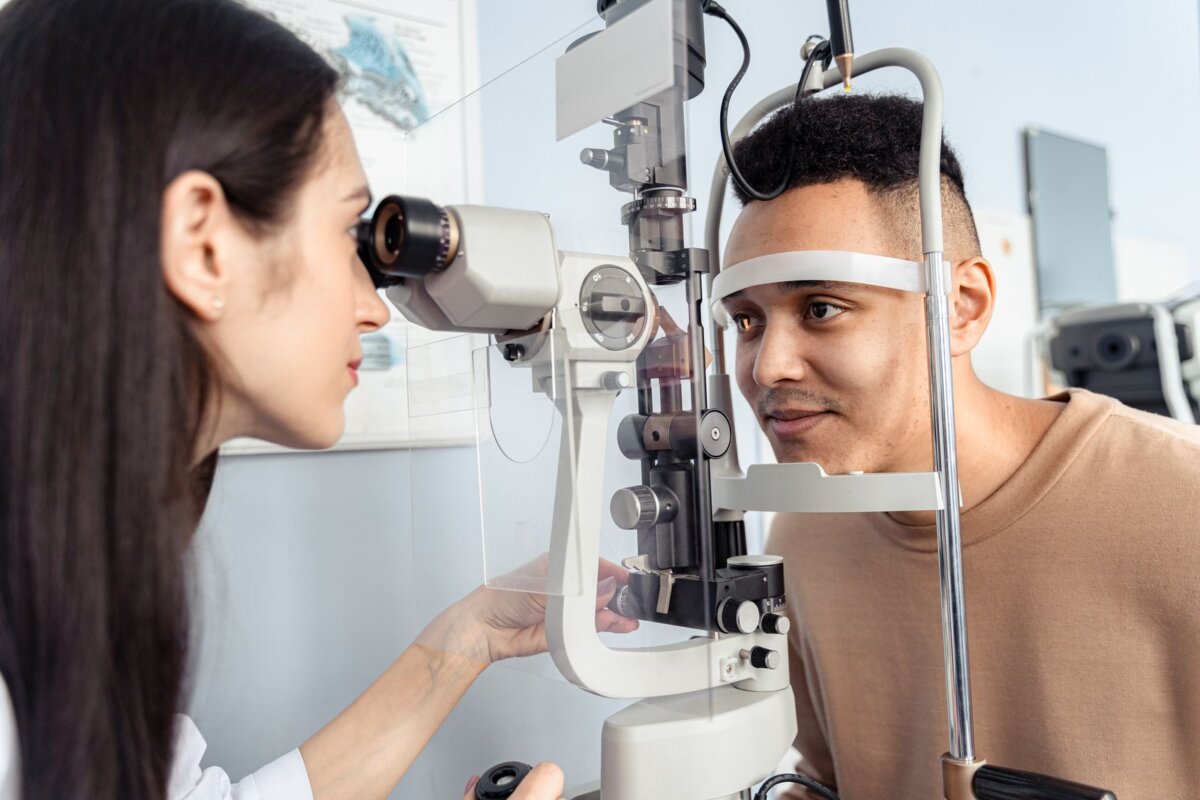
A phone call cannot feel your joints for swelling, listen to your lungs, or check whether your fever pattern looks viral or something more serious. This is exactly the gap that a simple video consultation leaves open — and exactly why CARELINE does not stop at video calls. Every CARELINE consultation is built around the eEVA™ device, a Finnish-engineered remote clinical examination kit (from 73Health) that lets our doctors perform a real, hands-on-quality examination without being in the room.
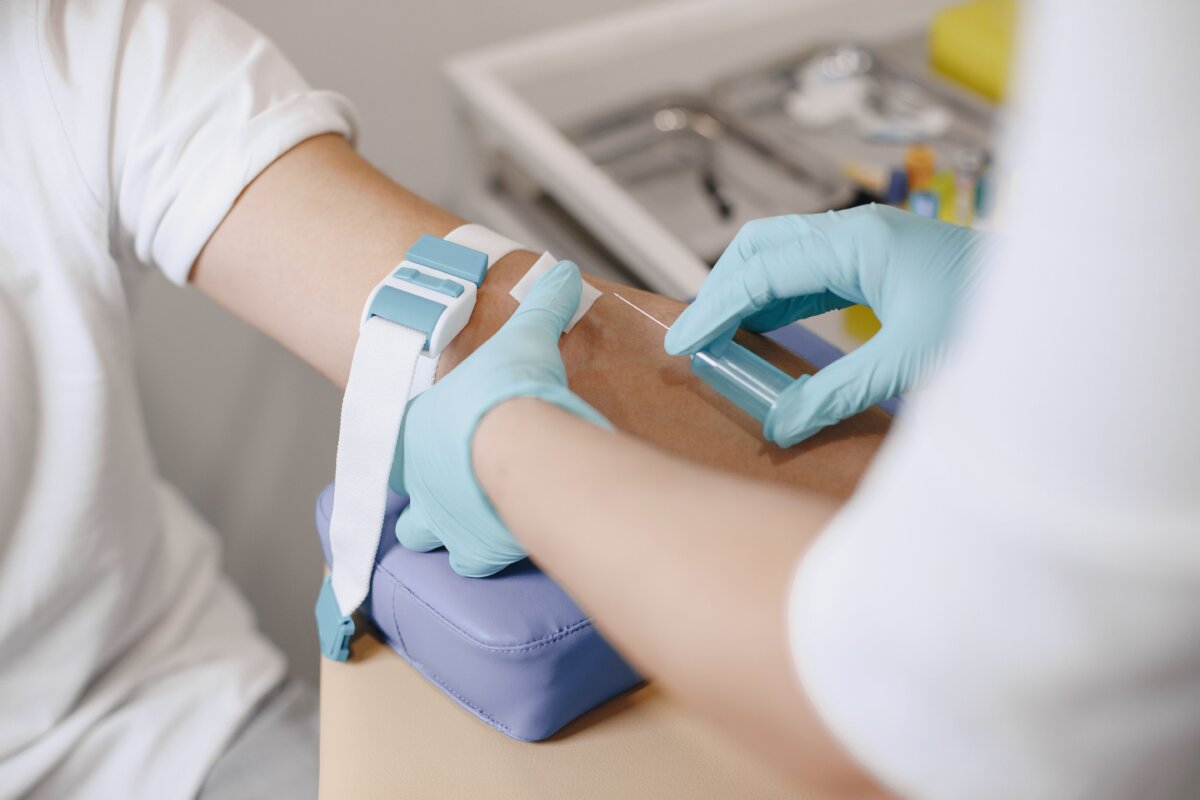
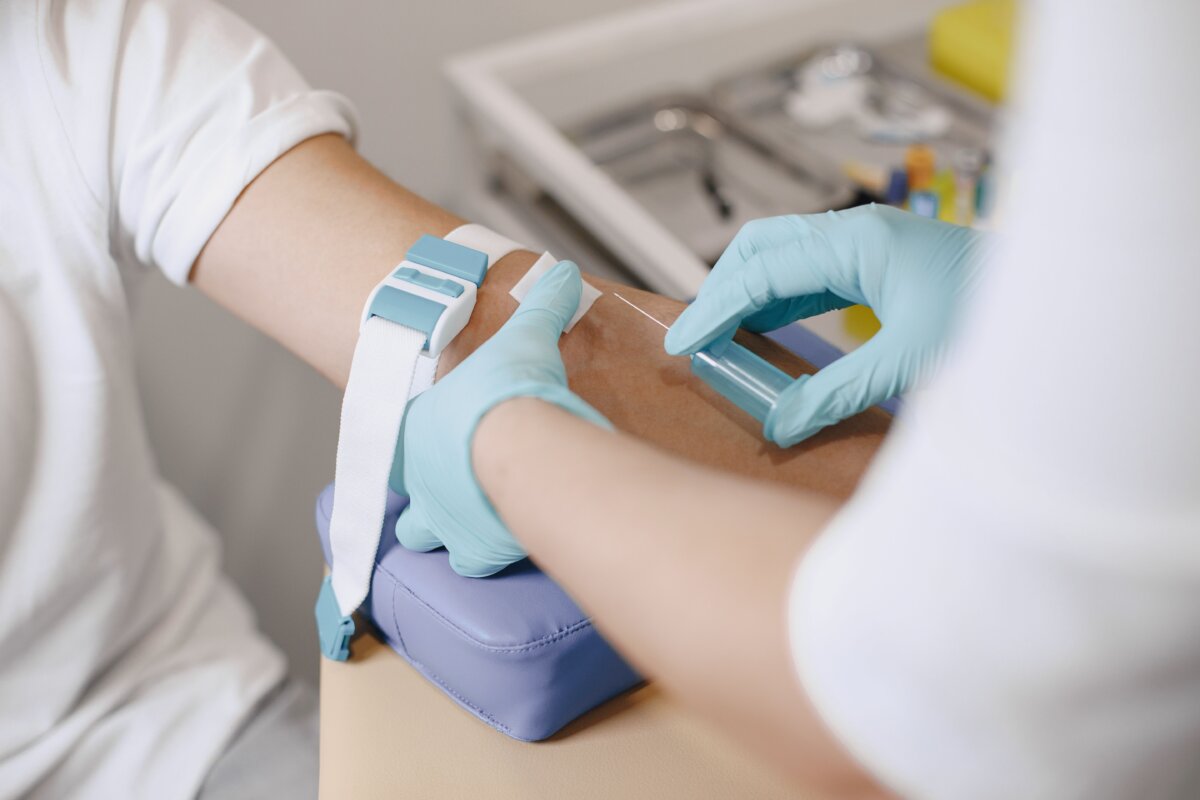
With eEVA™, a CARELINE nurse or trained operator visits your home or workplace and uses the device to capture your temperature, oxygen saturation, blood pressure, and a 6-lead ECG, while our doctor examines your throat, ears, and skin rash live through the device’s high-definition camera and digital stethoscope. For a suspected chikungunya case, this means your doctor can actually assess joint swelling, check for the characteristic rash, monitor your vitals for warning signs of dehydration, and decide — with real clinical evidence, not guesswork — whether you need bloodwork, rest at home, or urgent hospital care. Learn more about how this remote clinical examination process works before your first booking.
What You Can Do Right Now
If you or a family member has a sudden fever with joint pain this monsoon season, take these steps immediately:
- Do not wait it out. Fevers that persist beyond 2–3 days, or joint pain severe enough to limit movement, need clinical evaluation, not home guesswork.
- Track your symptoms. Note when the fever started, its highest reading, which joints are affected, and whether a rash has appeared — this speeds up diagnosis.
- Stay hydrated and rest. Oral rehydration salts and plenty of fluids help while you arrange an examination.
- Avoid self-medicating with aspirin or ibuprofen until dengue has been ruled out by a doctor, since these can worsen bleeding risk if it turns out to be dengue rather than chikungunya.
- Eliminate standing water around your home — flower pots, coolers, and open drains are prime breeding sites for the same mosquito behind both chikungunya and dengue.
- Book a CARELINE eEVA™ examination instead of relying on a text-only consultation, so a doctor can properly assess joint swelling, rash, and vital signs before recommending treatment.
If your family has already been affected by related mosquito-borne illness this season, our earlier guide on dengue fever warning signs in Pakistan covers the overlapping red flags worth knowing, and our piece on managing Karachi’s extreme heat this summer explains how heat stress can compound recovery from a mosquito-borne fever.
It’s also worth remembering that recovery does not end when the fever breaks. Many chikungunya patients in Pakistan report joint stiffness returning weeks later, especially in the mornings or after sitting for long periods. If this happens to you, don’t assume it’s unrelated or wait it out again — a follow-up eEVA™ examination can confirm whether it’s lingering chikungunya-related inflammation or something new that needs separate attention.
How to Book a CARELINE Examination
Booking a CARELINE eEVA™ examination is simple and available 24/7. Message us on WhatsApp at +92 310 2145333 and describe your symptoms — our team will schedule a home or workplace visit where a CARELINE operator brings the eEVA™ device directly to you. A licensed doctor then conducts a real, live clinical examination remotely: checking your joints, skin, temperature, oxygen levels, and heart rhythm, and prescribing treatment based on actual findings, not a phone description. CARELINE operates under DRAP Import Licence ELI-EN00000073, in partnership with Finland’s 73Health, and is currently live in Karachi with expansion underway to Lahore and Islamabad.
Frequently Asked Questions
What is CARELINE telehealth?
CARELINE is Pakistan’s certified telehealth provider offering real remote clinical examinations — not just video calls — using the eEVA™ device to bring specialist-grade diagnostics to your home, pharmacy, or workplace.
How does eEVA™ work?
eEVA™ is a Finnish-engineered device that captures vitals (temperature, oxygen saturation, 6-lead ECG, blood pressure) and streams a high-definition camera and digital stethoscope feed to a licensed doctor in real time, enabling an actual physical examination remotely.
Can chikungunya be diagnosed through an online doctor?
A CARELINE eEVA™ examination allows a doctor to visually assess joint swelling, skin rash, and vital signs in real time, which is far more reliable than a text or voice-only consultation. Bloodwork may still be recommended to confirm the diagnosis.
How much does a CARELINE consultation cost?
Pricing depends on the type of examination and location. Message us on WhatsApp at +92 310 2145333 for current consultation details and to book your appointment.
Is CARELINE available outside Karachi?
CARELINE currently operates in Karachi and is expanding to Lahore and Islamabad. Message us on WhatsApp to check availability in your area.
Is CARELINE DRAP certified?
Yes. CARELINE operates under DRAP Import Licence ELI-EN00000073 in partnership with Finland’s 73Health, ensuring the eEVA™ device meets recognized clinical and regulatory standards.
How is chikungunya different from dengue?
Both are spread by the same Aedes mosquito and cause fever, but chikungunya is defined by severe, often prolonged joint pain, while dengue is more associated with a sharp platelet drop and higher bleeding risk. Because symptoms overlap, a proper clinical examination is the only reliable way to tell them apart.
How long does chikungunya joint pain last in Pakistan patients?
For most patients, acute joint pain eases within one to two weeks, but a significant number of Karachi patients report intermittent stiffness and swelling for months afterward. Early clinical monitoring through eEVA™ helps track whether this pain is resolving normally or needs further treatment.
Don’t gamble with a fever-and-joint-pain combination this monsoon season. Message CARELINE on WhatsApp at +92 310 2145333 now and get a real eEVA™ clinical examination — because a video call can’t feel your joints, but our doctors can.