Blogs

13/Jul/2026

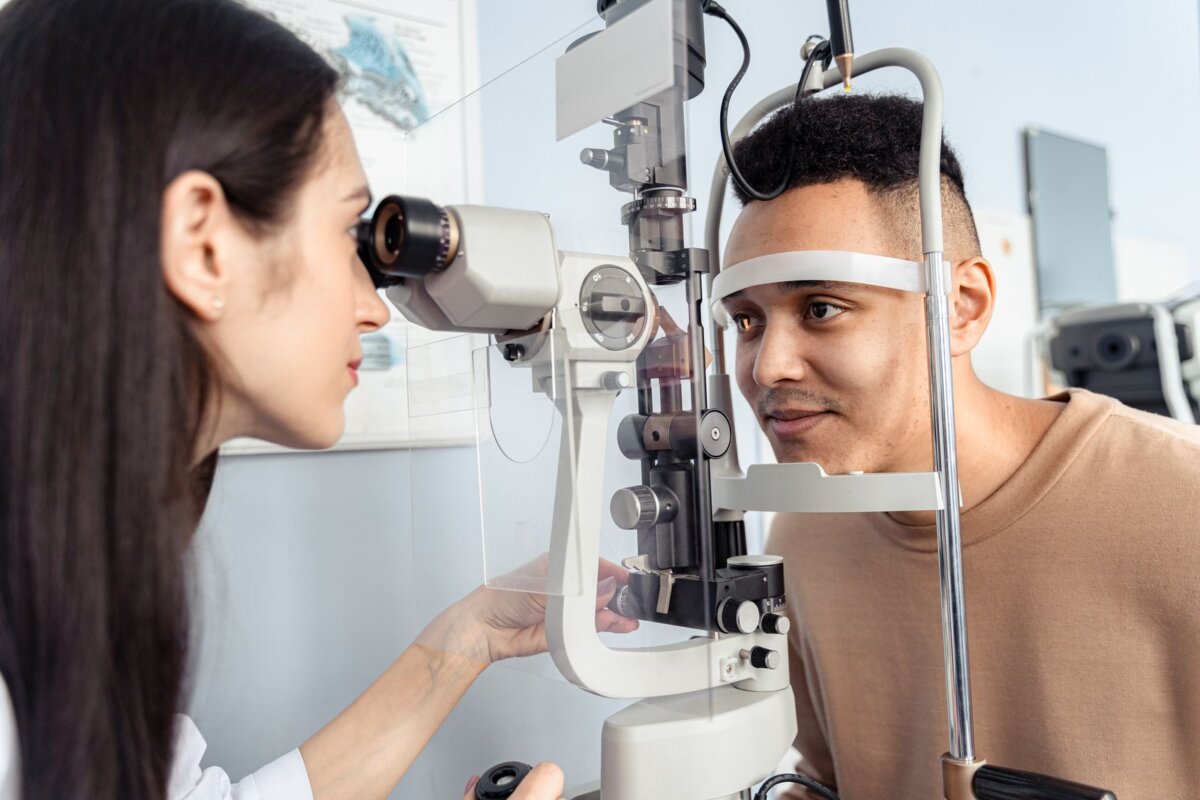
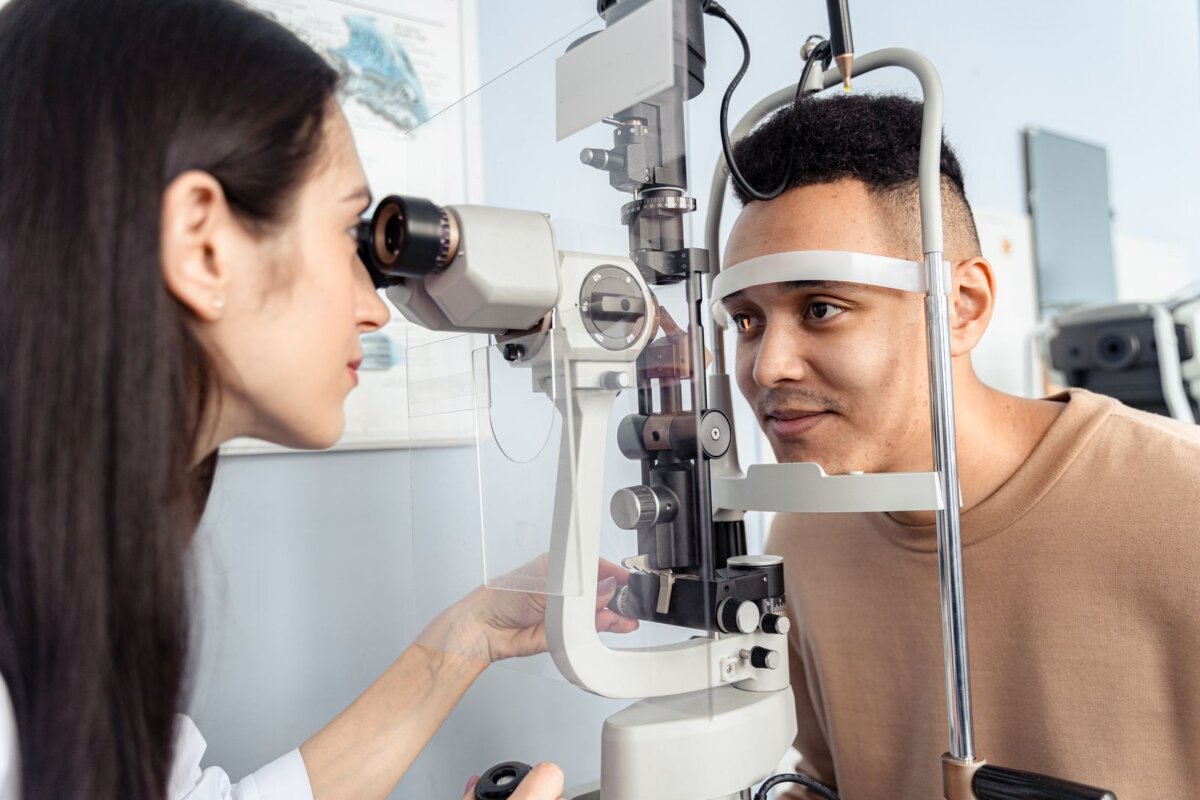
Karachi hospitals are reporting 500 to 750 suspected chikungunya cases every single day since this year’s monsoon rains began pooling stagnant water across the city. If you have a sudden high fever paired with joint pain so severe you can barely hold a cup of tea, you need an online doctor for chikungunya in Pakistan who can examine you properly — not just a phone call that guesses at your symptoms. This guide explains what chikungunya is, why it is surging in Karachi right now, and how CARELINE’s eEVA™ remote clinical examination lets a real doctor check your vitals, joints, and skin from your own home.

Table of Contents

What Is Chikungunya and Why Is It Spreading in Karachi?

Chikungunya is a viral illness spread by the same Aedes aegypti mosquito that carries dengue and Zika. Unlike dengue, chikungunya’s hallmark symptom is not just fever — it is joint pain so severe that patients often struggle to walk, grip objects, or climb stairs for days or even weeks. Other symptoms include sudden high fever, headache, muscle pain, joint swelling, fatigue, nausea, and a skin rash that can appear a few days after the fever starts.

This monsoon season, Karachi’s overcrowded neighborhoods and flooded drains have created ideal breeding grounds for these mosquitoes. Major hospitals across the city are seeing a steep rise in patients presenting with fever and joint pain, and doctors warn the outbreak is affecting both the young and the elderly. Because chikungunya shares symptoms with dengue and typhoid, getting an online doctor for chikungunya in Pakistan to properly examine you — rather than self-diagnosing from a WhatsApp forward — is the safest first step.

Why Chikungunya Is a Growing Crisis in Pakistan

Chikungunya is not a new visitor to Pakistan, but its scale has changed. The World Health Organization’s Eastern Mediterranean Regional Office issued a joint statement with Pakistan’s Ministry of National Health Services on the rising chikungunya burden, noting that vector-borne disease surveillance and rapid clinical response are critical to preventing severe outcomes. Research published on PubMed Central has also documented a direct link between the current outbreak pattern and the same Aedes mosquito ecosystem responsible for dengue, meaning any spike in one disease is often a warning sign for the other.

What makes chikungunya especially dangerous in Pakistan’s context is the joint pain it leaves behind. Unlike a typical viral fever that resolves in a few days, chikungunya-related joint pain can persist for weeks or months, quietly disabling daily-wage workers, elderly parents, and mothers managing households. For families already stretched thin by Karachi’s traffic and the cost of specialist visits, delaying diagnosis because a clinic visit feels impossible is a real and common mistake — one that CARELINE’s telehealth services were built specifically to remove.

Certain groups face a higher risk of severe or prolonged illness: newborns, adults over 65, and people with pre-existing conditions like diabetes or heart disease. In these patients, chikungunya can trigger complications that go well beyond joint pain, including heart rhythm irregularities and dangerous drops in blood pressure — the kind of changes that are easy to miss over a phone call but straightforward to catch with proper vital sign monitoring. This is precisely why Pakistan’s growing case load calls for more than reassurance from a voice note; it calls for an actual clinical look at the patient.

How CARELINE and eEVA™ Help You Get Diagnosed Safely

A phone call cannot feel your joints for swelling, listen to your lungs, or check whether your fever pattern looks viral or something more serious. This is exactly the gap that a simple video consultation leaves open — and exactly why CARELINE does not stop at video calls. Every CARELINE consultation is built around the eEVA™ device, a Finnish-engineered remote clinical examination kit (from 73Health) that lets our doctors perform a real, hands-on-quality examination without being in the room.

With eEVA™, a CARELINE nurse or trained operator visits your home or workplace and uses the device to capture your temperature, oxygen saturation, blood pressure, and a 6-lead ECG, while our doctor examines your throat, ears, and skin rash live through the device’s high-definition camera and digital stethoscope. For a suspected chikungunya case, this means your doctor can actually assess joint swelling, check for the characteristic rash, monitor your vitals for warning signs of dehydration, and decide — with real clinical evidence, not guesswork — whether you need bloodwork, rest at home, or urgent hospital care. Learn more about how this remote clinical examination process works before your first booking.

What You Can Do Right Now

If you or a family member has a sudden fever with joint pain this monsoon season, take these steps immediately:

  • Do not wait it out. Fevers that persist beyond 2–3 days, or joint pain severe enough to limit movement, need clinical evaluation, not home guesswork.
  • Track your symptoms. Note when the fever started, its highest reading, which joints are affected, and whether a rash has appeared — this speeds up diagnosis.
  • Stay hydrated and rest. Oral rehydration salts and plenty of fluids help while you arrange an examination.
  • Avoid self-medicating with aspirin or ibuprofen until dengue has been ruled out by a doctor, since these can worsen bleeding risk if it turns out to be dengue rather than chikungunya.
  • Eliminate standing water around your home — flower pots, coolers, and open drains are prime breeding sites for the same mosquito behind both chikungunya and dengue.
  • Book a CARELINE eEVA™ examination instead of relying on a text-only consultation, so a doctor can properly assess joint swelling, rash, and vital signs before recommending treatment.

If your family has already been affected by related mosquito-borne illness this season, our earlier guide on dengue fever warning signs in Pakistan covers the overlapping red flags worth knowing, and our piece on managing Karachi’s extreme heat this summer explains how heat stress can compound recovery from a mosquito-borne fever.

It’s also worth remembering that recovery does not end when the fever breaks. Many chikungunya patients in Pakistan report joint stiffness returning weeks later, especially in the mornings or after sitting for long periods. If this happens to you, don’t assume it’s unrelated or wait it out again — a follow-up eEVA™ examination can confirm whether it’s lingering chikungunya-related inflammation or something new that needs separate attention.

How to Book a CARELINE Examination

Booking a CARELINE eEVA™ examination is simple and available 24/7. Message us on WhatsApp at +92 310 2145333 and describe your symptoms — our team will schedule a home or workplace visit where a CARELINE operator brings the eEVA™ device directly to you. A licensed doctor then conducts a real, live clinical examination remotely: checking your joints, skin, temperature, oxygen levels, and heart rhythm, and prescribing treatment based on actual findings, not a phone description. CARELINE operates under DRAP Import Licence ELI-EN00000073, in partnership with Finland’s 73Health, and is currently live in Karachi with expansion underway to Lahore and Islamabad.

Frequently Asked Questions

What is CARELINE telehealth?

CARELINE is Pakistan’s certified telehealth provider offering real remote clinical examinations — not just video calls — using the eEVA™ device to bring specialist-grade diagnostics to your home, pharmacy, or workplace.

How does eEVA™ work?

eEVA™ is a Finnish-engineered device that captures vitals (temperature, oxygen saturation, 6-lead ECG, blood pressure) and streams a high-definition camera and digital stethoscope feed to a licensed doctor in real time, enabling an actual physical examination remotely.

Can chikungunya be diagnosed through an online doctor?

A CARELINE eEVA™ examination allows a doctor to visually assess joint swelling, skin rash, and vital signs in real time, which is far more reliable than a text or voice-only consultation. Bloodwork may still be recommended to confirm the diagnosis.

How much does a CARELINE consultation cost?

Pricing depends on the type of examination and location. Message us on WhatsApp at +92 310 2145333 for current consultation details and to book your appointment.

Is CARELINE available outside Karachi?

CARELINE currently operates in Karachi and is expanding to Lahore and Islamabad. Message us on WhatsApp to check availability in your area.

Is CARELINE DRAP certified?

Yes. CARELINE operates under DRAP Import Licence ELI-EN00000073 in partnership with Finland’s 73Health, ensuring the eEVA™ device meets recognized clinical and regulatory standards.

How is chikungunya different from dengue?

Both are spread by the same Aedes mosquito and cause fever, but chikungunya is defined by severe, often prolonged joint pain, while dengue is more associated with a sharp platelet drop and higher bleeding risk. Because symptoms overlap, a proper clinical examination is the only reliable way to tell them apart.

How long does chikungunya joint pain last in Pakistan patients?

For most patients, acute joint pain eases within one to two weeks, but a significant number of Karachi patients report intermittent stiffness and swelling for months afterward. Early clinical monitoring through eEVA™ helps track whether this pain is resolving normally or needs further treatment.

Don’t gamble with a fever-and-joint-pain combination this monsoon season. Message CARELINE on WhatsApp at +92 310 2145333 now and get a real eEVA™ clinical examination — because a video call can’t feel your joints, but our doctors can.

pexels-photo-6749698-1-1200x800.jpeg
08/Jul/2026

آنکھوں کی سرخی، پانی بہنا اور جلن — اگر آج کل آپ کے گھر میں بھی یہ شکایت سنائی دے رہی ہے تو آپ اکیلے نہیں ہیں۔ برسات کے موسم میں کراچی، لاہور اور اسلام آباد کے ہسپتالوں میں آشوبِ چشم یعنی “پنک آئی” کے مریضوں کی تعداد روز بروز بڑھ رہی ہے۔ نمی، جمع شدہ بارش کا پانی اور بھیڑ بھاڑ والی جگہیں اس انفیکشن کے پھیلاؤ کے لیے بہترین ماحول بناتی ہیں، اور یہ ایک گھر کے فرد سے دوسرے تک صرف چند گھنٹوں میں پھیل سکتا ہے۔

برسات میں آشوبِ چشم اتنی تیزی سے کیوں پھیلتا ہے؟

آشوبِ چشم زیادہ تر ایڈینو وائرس کی وجہ سے ہوتا ہے جو براہِ راست رابطے، آلودہ پانی، مشترکہ تولیوں اور یہاں تک کہ اے سی والے کلاس رومز اور دفاتر کے ذریعے بھی پھیلتا ہے۔ کراچی میں اس کی ابتدا سب سے پہلے ہوتی ہے اور پھر یہ چند ہفتوں میں لاہور، راولپنڈی، اسلام آباد اور خیبر پختونخوا کے کچھ علاقوں تک پہنچ جاتا ہے۔

مریضوں میں سرخ اور سوجی ہوئی آنکھیں، گاڑھا مواد اور آنکھ میں ریت جیسی تکلیف کی شکایت عام ہے، جس کی وجہ سے کام کرنا، پڑھنا یا سونا مشکل ہو جاتا ہے۔ چونکہ یہ انفیکشن انتہائی متعدی ہے اور اکثر علامات ظاہر ہونے سے پہلے ہی پھیل چکا ہوتا ہے، اس لیے پورا خاندان یا پوری کلاس چند دنوں میں متاثر ہو سکتی ہے۔

وائرل، بیکٹیریل یا الرجی — خود تشخیص کیوں خطرناک ہے

وائرل، بیکٹیریل اور الرجک آشوبِ چشم دیکھنے میں تقریباً ایک جیسے لگتے ہیں، لیکن ان کا علاج بالکل مختلف ہوتا ہے۔ بہت سے گھرانے میڈیکل اسٹور سے مشورہ لے کر یا پرانی اینٹی بائیوٹک ڈراپس استعمال کر کے علاج شروع کر دیتے ہیں — یہ عادت انفیکشن کو طول دے سکتی ہے اور اینٹی بائیوٹک مزاحمت (resistance) کا سبب بھی بن سکتی ہے، جس کے بارے میں پاکستانی ماہرینِ چشم ہر سیزن میں خبردار کرتے ہیں۔

عالمی ادارہ صحت (WHO پاکستان) کے مطابق ملک میں بڑے شہروں سے باہر ماہر امراضِ چشم تک رسائی اب بھی ایک بڑا مسئلہ ہے۔ چھوٹے شہروں اور دیہی علاقوں میں اکثر خاندانوں کو قریب ترین آنکھوں کے ڈاکٹر تک پہنچنے میں گھنٹوں لگ جاتے ہیں۔

eEVA™ کے ذریعے گھر بیٹھے مکمل معائنہ

یہیں پر CARELINE کا طریقہ عام ویڈیو کال والی ٹیلی ہیلتھ سے مختلف ہو جاتا ہے۔ فن لینڈ کی eEVA™ ڈیوائس کی مدد سے ہمارے ریموٹ کلینیکل معائنے میں ڈاکٹر آپ کی آنکھ کا حقیقی، قریبی معائنہ کر سکتا ہے — نہ کہ صرف آپ سے فون پر تفصیل سن کر اندازہ لگاتا ہے۔ صرف ویڈیو کال سے یہ بتانا ممکن نہیں کہ انفیکشن وائرل ہے، بیکٹیریل ہے یا الرجی کی وجہ سے — اس کے لیے آنکھ کی سرخی، مواد کی نوعیت اور پپوٹوں کی سوجن کا قریبی معائنہ ضروری ہوتا ہے۔

eEVA™ کا ہائی ریزولیوشن کیمرہ ہمارے تربیت یافتہ ڈاکٹروں کو لائیو معائنے کے دوران آنکھ کو واضح طور پر دیکھنے اور تصاویر محفوظ کرنے کی سہولت دیتا ہے، جس سے درست تشخیص اور صحیح علاج ممکن ہوتا ہے۔ یہی ڈیوائس دل، پھیپھڑوں، جلد اور کان، ناک، گلے کے معائنے کے لیے بھی استعمال ہوتی ہے — یعنی ایک ہی سیشن میں مکمل طبی معائنہ۔ سیشن کیسے کام کرتا ہے، اس کی تفصیل ہمارے جنرل انفارمیشن صفحے پر دیکھی جا سکتی ہے۔

عملی مشورے — ڈاکٹر سے ملنے تک کیا کریں

آنکھوں کو بار بار مت چھوئیں اور ہاتھ صابن سے اچھی طرح دھوتے رہیں۔ صاف اور ٹھنڈے پانی میں بھگویا ہوا کپڑا آہستگی سے بند آنکھوں پر رکھنے سے آرام ملتا ہے — ہر آنکھ کے لیے الگ کپڑا استعمال کریں۔ تولیے، تکیے کے غلاف اور میک اپ کسی سے شیئر نہ کریں۔ پرانی اینٹی بائیوٹک ڈراپس خود سے استعمال نہ کریں، اور بچوں کو اسکول سے تب تک دور رکھیں جب تک ڈاکٹر تصدیق نہ کر دے کہ انفیکشن متعدی نہیں رہا۔

اکثر پوچھے جانے والے سوالات

CARELINE ٹیلی ہیلتھ کیا ہے؟

CARELINE پاکستان کا DRAP سے لائسنس یافتہ ٹیلی ہیلتھ ادارہ ہے جو فن لینڈ کی eEVA™ ڈیوائس کے ذریعے دل، پھیپھڑے، کان ناک گلا، جلد، آنکھ اور جنرل میڈیسن کا ریموٹ معائنہ فراہم کرتا ہے۔

eEVA™ کیسے کام کرتی ہے؟

eEVA™ ایک سرٹیفائیڈ میڈیکل ڈیوائس ہے جو ڈاکٹر کو ہائی ریزولیوشن کیمروں اور سینسرز کے ذریعے لائیو معائنے کے دوران آنکھ، کان، جلد، دل اور پھیپھڑوں کا حقیقی معائنہ کرنے کی سہولت دیتی ہے۔

کیا CARELINE کراچی کے علاوہ بھی دستیاب ہے؟

فی الحال CARELINE کراچی میں کام کر رہا ہے اور جلد لاہور و اسلام آباد میں بھی سہولت فراہم کرے گا۔

کیا آشوبِ چشم کے لیے فوری اپائنٹمنٹ مل سکتا ہے؟

جی ہاں، واٹس ایپ پر رابطہ کر کے آپ اسی دن ڈاکٹر سے eEVA™ کے ذریعے معائنہ کروا سکتے ہیں۔

سرخ اور جلن زدہ آنکھوں کے ساتھ بھیڑ والے کلینک میں انتظار کرنے کی ضرورت نہیں۔ CARELINE کے ڈاکٹر اب گھر بیٹھے eEVA™ کے ذریعے آپ کی آنکھوں کا مکمل معائنہ کر سکتے ہیں۔
📱 واٹس ایپ: +92 310 2145333 (24/7 دستیاب)


pexels-photo-6749698-1200x800.jpeg
08/Jul/2026

Pink eye treatment in Pakistan is turning into a daily search this monsoon, as hospitals in Karachi, Lahore, and Islamabad report dozens of new conjunctivitis cases every day. If your eyes have suddenly turned red, gritty, and watery, you are not alone — and you do not need to sit in a crowded eye clinic waiting room to find out what is wrong and how to treat it safely.

Every monsoon, Pakistan’s humid climate, standing water, and crowded public spaces create ideal conditions for the Adenovirus and other pathogens that cause acute conjunctivitis, commonly called “pink eye” or “red eye.” What starts in one classroom, office, or household can spread to an entire family within 48 hours. The good news is that most cases can be assessed, diagnosed, and treated quickly — and increasingly, that first assessment does not have to happen in person.

Table of Contents

What’s Driving the Pink Eye Outbreak Across Pakistan

Pink eye treatment in Pakistan has become a recurring monsoon-season need because the same weather pattern that brings relief from summer heat also creates the perfect breeding ground for viral and bacterial eye infections. Health authorities have repeatedly documented seasonal spikes in acute conjunctivitis linked to the Adenovirus, which spreads through direct contact, contaminated water, shared towels, and even air-conditioned classrooms and offices where dozens of people share the same surfaces.

Karachi typically reports the earliest and largest outbreaks, with cases then moving to Lahore, Rawalpindi, Islamabad, and parts of Khyber Pakhtunkhwa within a few weeks. Public and private hospitals describe patients arriving with red, swollen eyes, thick discharge, and a gritty “sand in the eye” sensation that makes it hard to work, study, or sleep. Because the infection is highly contagious — often spreading before a person even realizes their eyes are infected — entire families and classrooms can be affected within days.

Doctors also warn that self-diagnosis is unreliable. Viral conjunctivitis, bacterial conjunctivitis, and allergic conjunctivitis can look almost identical to an untrained eye, yet they require completely different treatment. Using the wrong eye drop, especially an unnecessary antibiotic, can prolong the infection, mask a more serious problem, or contribute to antibiotic resistance — a growing concern flagged by Pakistani ophthalmologists during every outbreak season.

Why Conjunctivitis Is a Bigger Problem in Pakistan Than It Looks

On the surface, pink eye seems like a minor, self-limiting nuisance. In Pakistan’s specific context, it is a bigger public health problem for three reasons: population density, water quality, and access to specialist eye care outside major cities.

According to the World Health Organization’s Pakistan country office, the country continues to face significant gaps in access to timely specialist care, particularly outside Karachi, Lahore, and Islamabad. When a family in a smaller town or rural district notices a child’s eyes turning red, the nearest ophthalmologist may be hours away. Many households resort to pharmacy-counter advice or leftover antibiotic drops from a previous illness — exactly the self-medication pattern that clinicians warn against.

A peer-reviewed review published on PubMed Central examining Pakistan’s recurring acute conjunctivitis outbreaks highlights how overcrowded urban centres, inconsistent water sanitation, and limited public awareness about hygiene practices combine to accelerate transmission every year. The same research notes that outbreaks disproportionately affect school-age children and workers in crowded environments such as factories, markets, and public transport — groups that often cannot afford to miss school or work for a same-day hospital visit.

This is precisely the gap telehealth is built to close. A condition that is visually diagnosable, time-sensitive, and highly contagious is one of the strongest possible cases for a remote clinical examination that still gives a doctor an actual, close-up look at the eye — not just a phone call describing symptoms.

Pink eye rarely arrives alone during monsoon season. The same humidity and standing water that drive conjunctivitis outbreaks also fuel dengue fever and a spike in skin irritation and infections, which we covered in our earlier guide on skin disease in Pakistan. Families dealing with red eyes should stay alert for fever, body aches, or a rash appearing alongside eye symptoms, since these can point to a broader monsoon illness rather than conjunctivitis alone.

The clinical takeaway from this research is consistent: conjunctivitis in Pakistan is not simply a two-day inconvenience. It is a recurring, predictable seasonal event that overwhelms eye clinics, drives inappropriate self-medication, and disproportionately affects people who have the least convenient access to a qualified ophthalmologist.

How CARELINE’s eEVA™ Diagnoses Pink Eye Remotely

This is exactly where CARELINE’s approach differs from a typical video-call telehealth service. Using Finland’s eEVA™ device, our remote clinical examination service allows a CARELINE-affiliated doctor to perform an actual eye examination during your consultation — not just ask you to describe what you see in a mirror.

A simple video call cannot tell the difference between viral, bacterial, and allergic conjunctivitis with any confidence, because that distinction depends on close visual detail: the exact colour and consistency of discharge, the pattern of redness, eyelid swelling, and whether one or both eyes are affected first. eEVA™’s high-resolution examination camera lets our ophthalmology-trained clinicians examine the eye up close in real time, capture clear images for the medical record, and combine that with your reported symptoms and history to reach a confident diagnosis.

Because eEVA™ also supports general and ENT examination in the same session, a CARELINE doctor can quickly check for related symptoms — swollen lymph nodes, sinus involvement, or throat irritation — that sometimes accompany viral conjunctivitis, giving a fuller picture than an eye-only assessment. This is the same gold-standard remote examination model CARELINE uses across cardiology, pulmonology, dermatology, and general medicine, and it is why we describe eEVA™ as a genuine clinical examination rather than a wearable or a simple video consultation. If you would like to understand exactly how a session works before booking, our general information page walks through the process step by step.

What You Can Do at Home While You Wait for Your Appointment

While you arrange your consultation, there are safe steps you can take to reduce discomfort and limit the spread of infection to family members, classmates, or coworkers.

Stop touching or rubbing your eyes. This is the single most effective way to prevent bacterial infection and reduce spread. Wash your hands thoroughly with soap before and after any contact with your eyes or face.

Use a clean, cool compress. A clean cloth soaked in cool water and gently pressed against closed eyelids can ease irritation and swelling. Use a separate cloth for each eye if only one is affected, and never reuse the same cloth without washing it first.

Avoid sharing personal items. Pillowcases, towels, makeup, and sunglasses should not be shared while symptoms are present, and should be washed in hot water afterward.

Do not self-prescribe antibiotic drops. Leftover eye drops from a previous infection may be the wrong type entirely, and unnecessary antibiotic use contributes to resistance without speeding up recovery from a viral infection.

Keep children home from school. Because conjunctivitis spreads so easily among children, most schools in Pakistan advise keeping affected children home until a doctor confirms they are no longer contagious.

These steps manage comfort and reduce spread, but they are not a substitute for a proper diagnosis. Our general information page has more detail on what to expect from a CARELINE consultation, including how quickly you can typically be seen.

How to Book a CARELINE Examination

Booking a CARELINE eEVA™ examination for pink eye or any other concern is simple. Message us on WhatsApp at +92 310 2145333, available 24/7, and our care team will guide you through scheduling a same-day remote clinical examination with a qualified doctor. CARELINE is a DRAP-licensed telehealth provider currently serving patients in Karachi, with services expanding to Lahore and Islamabad. Whether it is your first pink eye episode or a recurring problem, our doctors can examine your eyes directly through eEVA™, confirm the cause, and prescribe the correct treatment — all without leaving your home.

Frequently Asked Questions

What is CARELINE telehealth?

CARELINE is Pakistan’s DRAP-licensed telehealth provider offering remote clinical examinations using Finland’s eEVA™ device, covering cardiology, pulmonology, ENT, dermatology, ophthalmology, and general medicine consultations from Karachi, expanding to Lahore and Islamabad.

How does eEVA™ work?

eEVA™ is a certified medical device that lets a doctor perform an actual physical examination remotely — including eye, ear, throat, skin, heart, and lung assessment — using high-resolution cameras and diagnostic sensors during a live consultation, rather than relying on a description over video call.

How much does a CARELINE consultation cost?

Consultation pricing depends on the type of examination needed. Message our team on WhatsApp at +92 310 2145333 for current pricing and to confirm availability for a same-day appointment.

Is CARELINE available outside Karachi?

CARELINE currently operates in Karachi and is actively expanding to Lahore and Islamabad. Patients outside these cities can contact our WhatsApp line to check current availability in their area.

Is CARELINE DRAP certified?

Yes. CARELINE operates as a DRAP-licensed telehealth provider in Pakistan, and the eEVA™ device carries CE certification, meeting recognised medical device safety and quality standards.

How do I know if my pink eye is viral, bacterial, or allergic?

The three types can look similar but need different treatment, and a confident diagnosis requires close visual examination of the eye rather than a description over the phone. A CARELINE eEVA™ consultation allows a doctor to examine the eye directly and determine the exact cause before prescribing treatment.

Red, watery, gritty eyes do not have to mean a long wait at a crowded clinic during outbreak season. CARELINE’s doctors are available now for a remote eEVA™ eye examination — message us on WhatsApp at +92 310 2145333, available 24/7, and get a proper diagnosis and treatment plan from home today.


pexels-photo-10036353-1-1200x803.jpeg
07/Jul/2026

کراچی اور سندھ کے دیگر شہروں میں اس ہفتے درجہ حرارت 40 ڈگری سینٹی گریڈ سے تجاوز کر چکا ہے، اور محکمہ موسمیات نے شدید ہیٹ ویو کی وارننگ جاری کر دی ہے۔ ایسے میں گھر کے بزرگ افراد، مزدور اور بچے سب سے زیادہ خطرے میں ہوتے ہیں۔ اگر آپ اپنے گھر میں کسی کے لیے آنلاین ڈاکٹر تلاش کر رہے ہیں کیونکہ کوئی اچانک بے حال محسوس کر رہا ہے، تو یہ مضمون آپ کے لیے ہے۔

ہیٹ اسٹروک یعنی لُو لگنا کوئی معمولی بات نہیں — یہ چند گھنٹوں میں ایک عام سی تھکاوٹ سے جان لیوا ایمرجنسی میں بدل سکتا ہے۔ سب سے بڑا مسئلہ یہ ہے کہ ابتدائی علامات کو اکثر “بس گرمی کا اثر ہے” کہہ کر نظر انداز کر دیا جاتا ہے۔

لُو لگنے کی علامات کیا ہیں؟

ہلکی علامات میں شدید پسینہ آنا، کمزوری، سر درد، متلی اور جسم میں درد شامل ہیں۔ اگر ان کا فوری علاج نہ کیا جائے تو یہ خطرناک ہیٹ اسٹروک میں تبدیل ہو سکتی ہیں — جس میں مریض کی جلد خشک اور گرم ہو جاتی ہے، دل کی دھڑکن تیز ہو جاتی ہے، ذہنی الجھن پیدا ہوتی ہے، اور بعض اوقات بے ہوشی بھی ہو سکتی ہے۔ 2015 کی کراچی ہیٹ ویو میں ایک ہفتے میں ہزار سے زائد افراد جان کی بازی ہار گئے تھے — اور ماہرین کا کہنا ہے کہ ہر سال گرمیوں میں اسپتالوں میں ایسے مریضوں کی تعداد بڑھ جاتی ہے۔

سب سے زیادہ خطرہ کسے ہے؟

گھر میں اکیلے رہنے والے بزرگ والدین، رکشہ ڈرائیور، تعمیراتی مزدور، ریڑھی بان، دل، گردے یا شوگر کے مریض، اور چھوٹے بچے سب سے زیادہ خطرے میں ہوتے ہیں۔ ان افراد کے لیے فوری طبی معائنہ حاصل کرنا انتہائی ضروری ہے، لیکن گرمی میں اسپتال تک کا سفر خود بھی خطرناک ثابت ہو سکتا ہے۔

CARELINE کا eEVA™ کیسے مدد کرتا ہے؟

یہی وہ جگہ ہے جہاں CARELINE کی ٹیلی ہیلتھ سہولت کام آتی ہے۔ ہم صرف ویڈیو کال نہیں کرتے — ہمارا فن لینڈ سے آیا ہوا eEVA™ ڈیوائس ایک حقیقی طبی معائنہ ممکن بناتا ہے: بلڈ پریشر، دل کی دھڑکن، آکسیجن کی سطح (SpO2)، اور جسم کا درجہ حرارت — یہ سب کچھ آپ کے گھر پر ڈاکٹر بھیج کر یا قریبی فارمیسی میں ڈاکٹر کے ذریعے چیک کیا جا سکتا ہے، بغیر اسپتال کی قطار میں لگے۔ دل کے مریضوں کے لیے یہ خاص طور پر اہم ہے کیونکہ شدید گرمی دل پر اضافی دباؤ ڈالتی ہے۔

یاد رکھیں، ایک عام سمارٹ واچ یا فون کال یہ نہیں بتا سکتی کہ کسی کو حقیقی طبی توجہ کی ضرورت ہے یا نہیں۔ eEVA™ کے ذریعے ڈاکٹر حقیقی معنوں میں دل، پھیپھڑے اور جسم کا جائزہ لیتا ہے — بالکل ویسے ہی جیسے کلینک میں ہوتا ہے۔ مزید معلومات کے لیے ہماری خدمات اور طریقہ کار ملاحظہ کریں۔

مزدوروں اور بیرونی کام کرنے والوں کے لیے احتیاط

رکشہ ڈرائیور، تعمیراتی مزدور اور ریڑھی بان اکثر یہ سوچ کر کام جاری رکھتے ہیں کہ رکنے سے آمدنی متاثر ہوگی۔ لیکن تھوڑی سی احتیاط جان بچا سکتی ہے: دوپہر 12 سے 4 بجے کے درمیان سخت جسمانی کام سے گریز کریں، ہر 20 سے 30 منٹ بعد پانی پییں، ہلکے رنگ کے ڈھیلے کپڑے پہنیں، اور سر کو دھوپ سے ڈھانپ کر رکھیں۔ اگر کام کی جگہ پر کسی ساتھی کی طبیعت خراب ہو تو فوراً سایہ میں لے جائیں اور CARELINE کو کال کریں — ہماری ٹیم قریبی فارمیسی یا کام کی جگہ پر پہنچ کر معائنہ کر سکتی ہے، اسپتال جانے میں لگنے والے قیمتی وقت کو بچاتے ہوئے۔

گھر میں فوری طور پر کیا کریں؟

  • مریض کو فوراً سایہ دار یا ٹھنڈی جگہ منتقل کریں اور اضافی کپڑے اتار دیں۔
  • گیلے کپڑوں سے گردن، بغلوں اور پیشانی کو ٹھنڈا کریں۔
  • او آر ایس (ORS) یا نمک چینی والا پانی پلائیں — چائے یا کافی سے پرہیز کریں۔
  • اگر ذہنی الجھن، بے ہوشی، یا جلد خشک اور گرم ہو جائے تو فوری ایمرجنسی طبی امداد حاصل کریں۔
  • ہلکی علامات کی صورت میں اسی دن CARELINE سے رابطہ کریں تاکہ خطرہ ٹلنے سے پہلے معائنہ ہو سکے۔

اکثر پوچھے جانے والے سوالات

CARELINE کیا ہے؟

CARELINE پاکستان کی سرٹیفائیڈ ٹیلی ہیلتھ سروس ہے جو فن لینڈ کے eEVA™ ڈیوائس کے ذریعے حقیقی طبی معائنہ فراہم کرتی ہے۔

کیا CARELINE کراچی سے باہر بھی دستیاب ہے؟

فی الحال کراچی میں مکمل کوریج ہے اور لاہور و اسلام آباد میں توسیع جاری ہے۔

کیا یہ سروس DRAP سے تصدیق شدہ ہے؟

جی ہاں، CARELINE کے پاس DRAP لائسنس ELI-EN00000073 موجود ہے۔

لُو لگنے کی صورت میں کتنی جلدی رابطہ کرنا چاہیے؟

ابتدائی علامات نظر آتے ہی رابطہ کریں — تاخیر خطرناک ثابت ہو سکتی ہے۔

کیا eEVA™ گھر بیٹھے بلڈ پریشر اور آکسیجن چیک کر سکتا ہے؟

جی ہاں، eEVA™ کے ذریعے ڈاکٹر دور بیٹھے ہی بلڈ پریشر، دل کی دھڑکن، آکسیجن کی سطح اور جسمانی درجہ حرارت کا حقیقی معائنہ کر سکتا ہے، بالکل ویسے ہی جیسے کلینک میں ممکن ہوتا ہے۔

پاکستان کی گرمیاں ہر سال شدید تر ہوتی جا رہی ہیں۔ اگر آپ کے گھر میں کوئی لُو لگنے کی علامات ظاہر کر رہا ہے تو انتظار نہ کریں۔

📱 واٹس ایپ: +92 310 2145333 (24/7 دستیاب)


pexels-photo-10036353-1200x803.jpeg
07/Jul/2026

As Karachi’s mercury climbs past 40°C this July, emergency wards across Sindh are already filling with heatstroke and heat exhaustion cases — and if you are searching for an online doctor for heatstroke in Pakistan, you are not alone. The Pakistan Meteorological Department has flagged an unprecedented heatwave risk for Karachi, Hyderabad, Sukkur, and much of interior Sindh this week, and hospitals are bracing for the same surge in dehydration, fainting, and heat-related cardiac strain seen in previous summers.

The dangerous part of heatstroke is not the heat itself — it is how fast it turns from “feeling unwell” into a medical emergency, and how many warning signs get dismissed as ordinary summer fatigue. This guide explains what heatstroke actually looks like in Pakistani households, why elderly parents and outdoor workers are most at risk, and how you can get a real clinical assessment — not just advice — without stepping back out into the heat.

Table of Contents

What’s Happening: Karachi’s Heat Emergency

Every June and July, Karachi and the rest of Sindh experience some of the deadliest heatwaves in South Asia. The 2015 Karachi heatwave killed more than 1,200 people in a single week, and public health researchers have since documented a steady rise in heatstroke-related emergency visits and deaths in the city’s tertiary care hospitals during peak summer months. This year, the Pakistan Meteorological Department has again issued heatwave alerts for Karachi as temperatures push toward 40–41°C, with “feels like” temperatures even higher due to humidity along the coast.

Heatstroke develops when the body’s core temperature rises above 40°C and its natural cooling mechanisms — sweating, circulation adjustments — fail. Early heat exhaustion (heavy sweating, weakness, nausea, headache) can progress to full heatstroke (confusion, hot dry skin, rapid pulse, loss of consciousness) within an hour if untreated. For someone searching for an online doctor for heatstroke in Pakistan at 2 a.m. because a parent suddenly feels disoriented, that hour matters enormously.

What makes this especially dangerous is that many of the early symptoms — fatigue, irritability, mild headache, reduced urination — are shrugged off as “just the heat” in a country where summer discomfort is normalized. By the time a family decides to act, the person may already be in the more severe, harder-to-reverse stage of heat illness.

Why Heatstroke Hits Pakistan Harder

Pakistan sits in a climate zone where summer heatwaves are intensifying due to climate change, and Karachi’s dense, low-green-cover urban geography traps heat overnight, meaning bodies never get a true chance to recover between hot days. A study on Karachi’s tertiary care emergency centers found a clear seasonal spike in heatstroke presentations and associated death rates during peak summer, disproportionately affecting outdoor laborers, the elderly, and people with existing heart or kidney conditions (PMC study on Karachi heatstroke death rates).

Several groups face elevated risk in Pakistan specifically:

  • Outdoor and informal workers — rickshaw drivers, construction labourers, street vendors — who cannot simply “stay indoors” during an alert because their income depends on being outside.
  • Elderly parents living alone, especially those whose children have moved abroad or to another city, and who may not notice their own dehydration or confusion until a family member calls and hears it in their voice.
  • People with pre-existing heart disease, diabetes, or kidney disease, for whom heat stress places extra strain on an already compromised cardiovascular or renal system.
  • Children and pregnant women, whose thermoregulation is less efficient and who dehydrate faster relative to body size.

The World Health Organization’s Pakistan office has repeatedly flagged extreme heat as a growing public health emergency for the country, noting that heat-health early warning systems and rapid access to care are critical in reducing preventable deaths (WHO Pakistan). Yet access to a doctor during a heatwave is often exactly when it is hardest to get — clinics are crowded, traffic is unbearable in the heat, and travelling itself can worsen the very condition you are trying to treat. This is precisely the gap that a genuine remote clinical examination is built to close.

Why an Online Doctor for Heatstroke in Pakistan Needs eEVA™

CARELINE uses Finland’s eEVA™ device, developed by 73Health, to bring an actual clinical-grade examination to a patient wherever they are — a home, a pharmacy, or a workplace — without requiring anyone to travel through the heat to reach a hospital. This distinction matters enormously during a heatwave: sending a dizzy, dehydrated elderly parent into a rickshaw for a 40-minute ride to a clinic can itself be dangerous.

Unlike a simple video call, eEVA™ allows a CARELINE-affiliated doctor to remotely check the vital signs that actually matter when heat illness is suspected: blood pressure, heart rate and 6-lead ECG rhythm, oxygen saturation (SpO2), and body temperature, combined with a live guided general examination. For a person with existing heart disease, this cardiac monitoring is especially important, since heat stress increases the workload on the heart and can trigger arrhythmias or dangerous drops in blood pressure that a text message or phone call simply cannot detect.

This is also why CARELINE never positions a basic video consultation or a consumer smartwatch reading as a substitute for a real examination. A smartwatch might flag an elevated heart rate; it cannot listen to the heart and lungs, check for signs of dehydration on physical exam, or triage whether someone needs to go to an emergency room immediately. eEVA™ closes that gap, giving families and outdoor workers a genuine clinical assessment — the same auscultation, vitals, and guided exam a doctor would perform in person — delivered through a pharmacy or home visit instead of a hospital queue. You can read more about how the examination process works and what conditions CARELINE’s cardiology, general medicine, and pulmonology teams routinely assess.

What You Can Do Right Now

If you suspect heat exhaustion or heatstroke in yourself or a family member this week, here is what matters most:

  • Move to shade or a cooled room immediately and loosen or remove excess clothing.
  • Cool the body actively — damp cloths on the neck, armpits, and forehead; a lukewarm (not ice-cold) sponge bath; a fan if electricity allows.
  • Rehydrate with oral rehydration solution (ORS) or water with a pinch of salt and sugar — avoid tea, coffee, or sugary sodas, which worsen dehydration.
  • Watch for red-flag symptoms: confusion, slurred speech, hot and dry (not sweaty) skin, a rapid pounding pulse, vomiting, or loss of consciousness — these require emergency care immediately, not a scheduled consultation.
  • For milder but worrying symptoms — persistent headache, dizziness, unusual fatigue, low urine output, or a known heart/kidney condition acting up in the heat — message CARELINE’s online doctor for heatstroke assessment the same day rather than waiting to see if it passes.
  • Outdoor workers should reschedule strenuous tasks to early morning or evening hours where possible, take water breaks every 20–30 minutes, and know that a CARELINE consultation can often be arranged near a workplace or a nearby pharmacy on short notice.

Early detection is the theme that runs through nearly every serious heat-illness outcome in Pakistan: the cases that end badly are almost always the ones where a warning sign was noticed too late, or where the nearest available care was too far away to reach in time.

How to Book a CARELINE Examination

CARELINE is available 24/7 across Karachi, with expanding coverage in Lahore and Islamabad. To book a heatstroke or general health check with an eEVA™-equipped examination, simply message WhatsApp +92 310 2145333 with your location and symptoms, and a care coordinator will arrange the nearest available examination — at a partner pharmacy, your home, or your workplace. CARELINE operates under DRAP Import Licence ELI-EN00000073, in partnership with Finland’s 73Health, meaning every examination meets the same clinical and data-protection standards used across Europe.

Frequently Asked Questions

What is CARELINE telehealth?

CARELINE is Pakistan’s certified telehealth provider that uses the Finnish eEVA™ device to perform real remote clinical examinations — including cardiology, pulmonology, ENT, dermatology, ophthalmology, and general medicine — rather than offering only video consultations.

How does eEVA™ work?

eEVA™ is a portable diagnostic device that lets a remote doctor listen to your heart and lungs, check your ECG, oxygen levels, temperature, ears, throat, and skin in real time through a guided session, giving the same clinical information a doctor would gather in person.

How much does a CARELINE consultation cost?

Pricing varies by service and location — message CARELINE on WhatsApp for the current rate for your examination type and city.

Is CARELINE available outside Karachi?

CARELINE is currently strongest in Karachi and is actively expanding its eEVA™ network to Lahore and Islamabad; message WhatsApp to check availability in your area.

Is CARELINE DRAP certified?

Yes. CARELINE operates under DRAP Import Licence ELI-EN00000073 and partners with Finland’s 73Health, an EU GDPR-compliant medical technology company.

Can eEVA™ tell if someone has heatstroke or just heat exhaustion?

Yes — a CARELINE doctor can check vital signs, heart rhythm, oxygen saturation, and perform a guided physical exam through eEVA™ to distinguish milder heat exhaustion from more dangerous heatstroke, and will advise immediate emergency referral if warning signs are present.

Pakistan’s summers are getting hotter, and the honest response is not to wait until a family member collapses to seek help. If someone in your home is showing early signs of heat illness, message WhatsApp +92 310 2145333 now for a same-day CARELINE eEVA™ examination — a real clinical check, delivered wherever you are, without adding another trip through the heat.


pexels-photo-6285344-1-1200x800.jpeg
06/Jul/2026

پاکستان دنیا میں ہیپاٹائٹس کے سب سے زیادہ بوجھ والے ممالک میں شامل ہے — تقریباً 1 کروڑ 38 لاکھ افراد ہیپاٹائٹس بی یا سی کا شکار ہیں، مگر ان میں سے صرف 25 سے 30 فیصد کو اس کا علم ہے۔ اگر آپ اپنے یا اپنے پیاروں کے لیے قابل اعتماد آنلاین ڈاکٹر پاکستان تلاش کر رہے ہیں تو یہ جاننا ضروری ہے کہ ہیپاٹائٹس خاموشی سے جگر کو کیسے نقصان پہنچاتا ہے، اور CARELINE کا eEVA™ گھر بیٹھے ابتدائی علامات کیسے پکڑ سکتا ہے۔

ہیپاٹائٹس کیا ہے اور یہ کیوں چھپا رہتا ہے؟

ہیپاٹائٹس بی اور سی وائرل انفیکشن ہیں جو جگر میں سوزش پیدا کرتے ہیں۔ خطرناک بات یہ ہے کہ یہ برسوں تک کوئی علامت ظاہر نہیں کرتے۔ مریض کو صرف ہلکی تھکاوٹ محسوس ہوتی ہے جبکہ جگر خاموشی سے متاثر ہوتا رہتا ہے۔ یرقان (آنکھوں اور جلد کا پیلا پن)، گہرے رنگ کا پیشاب، بھوک نہ لگنا، اور پیٹ کے اوپری حصے میں درد جیسی علامات اکثر اس وقت ظاہر ہوتی ہیں جب جگر پہلے ہی کافی نقصان اٹھا چکا ہوتا ہے۔

پاکستان میں یہ مسئلہ اتنا سنگین کیوں ہے؟

عالمی ادارہ صحت (WHO) کے مطابق پاکستان میں ہیپاٹائٹس سی کے تقریباً ایک کروڑ اور ہیپاٹائٹس بی کے 38 لاکھ کیسز موجود ہیں — دنیا میں سب سے زیادہ۔ اس کی بڑی وجہ غیر محفوظ انجیکشن، ناقص طبی آلات، غیر تصدیق شدہ خون کی منتقلی، اور نائی کی دکانوں پر مشترکہ بلیڈ کا استعمال ہے۔ افسوس کی بات یہ ہے کہ چار سالوں میں 11 کروڑ سے زائد آبادی میں سے صرف تین لاکھ کے قریب افراد کا ٹیسٹ ہوا۔

CARELINE اور eEVA™ کیسے مدد کرتے ہیں؟

CARELINE کی ٹیلی ہیلتھ سروس کے ذریعے، DRAP سے لائسنس یافتہ ڈاکٹر eEVA™ ڈیوائس سے آپ کا حقیقی معائنہ کرتا ہے — یہ محض ویڈیو کال نہیں۔ ڈاکٹر آپ کی آنکھوں اور جلد میں ہلکے یرقان کی علامات دیکھ سکتا ہے، پیٹ کی جانچ کر سکتا ہے، اور آپ کی طبی تاریخ (پرانی سرجری، انجیکشن، ٹیٹو) کی بنیاد پر فوری طور پر لیب ٹیسٹ کی سفارش کر سکتا ہے۔

ہیپاٹائٹس کن لوگوں کے لیے زیادہ خطرناک ہے؟

ہر عمر کے لوگ متاثر ہو سکتے ہیں، لیکن کچھ افراد کو خاص احتیاط کی ضرورت ہوتی ہے۔ وہ لوگ جنہوں نے ماضی میں سرجری، ڈائیلاسز، یا خون کی منتقلی کروائی ہو، وہ خاص طور پر خطرے میں ہوتے ہیں۔ حاملہ خواتین کے لیے بھی ٹیسٹ کروانا ضروری ہے تاکہ بچے کو انفیکشن منتقل ہونے سے بچایا جا سکے۔ ذیابیطس یا دل کی بیماری میں مبتلا افراد میں جگر کی بیماری زیادہ تیزی سے بگڑ سکتی ہے، اس لیے ان کے لیے وقت پر معائنہ اور تشخیص اور بھی زیادہ اہم ہو جاتی ہے۔ گھر کے بزرگ افراد جنہوں نے برسوں پہلے دانتوں کا علاج یا آپریشن کروایا تھا، اکثر یہ بھول جاتے ہیں کہ وہ کبھی ہیپاٹائٹس کے خطرے سے دوچار ہوئے تھے — اسی لیے خاندان کے بزرگوں کا معائنہ کبھی نظر انداز نہ کریں۔

یہ بھی یاد رکھیں کہ ہیپاٹائٹس بی وائرس خاندان کے اندر مشترکہ استرے، ٹوتھ برش، یا ناخن کاٹنے کے آلات کے ذریعے بھی پھیل سکتا ہے۔ اگر گھر میں کسی ایک فرد کی تشخیص ہو جائے تو باقی افراد کا معائنہ اور ٹیسٹ کروانا لازمی سمجھیں، تاکہ پوری فیملی محفوظ رہے۔

گھر پر کیا احتیاطیں کریں؟

  • عمر 30 سال سے زیادہ ہونے پر ایک بار ضرور ہیپاٹائٹس بی اور سی کا ٹیسٹ کروائیں۔
  • پرانی سرجری، خون کی منتقلی، ٹیٹو یا انجیکشن کی تاریخ کو نظر انداز نہ کریں۔
  • ہلکی تھکاوٹ، آنکھوں کا ہلکا پیلا پن، یا گہرا پیشاب دیکھیں تو فوراً معائنہ کروائیں۔
  • کسی بھی کلینک یا نائی کی دکان پر جراثیم سے پاک آلات کے استعمال کو یقینی بنائیں۔
  • اگر خاندان میں کسی کو ہیپاٹائٹس بی ہے تو باقی افراد کا ٹیسٹ بھی کروائیں۔

اکثر پوچھے گئے سوالات

سوال: CARELINE کیا ہے؟

جواب: CARELINE پاکستان کی سرٹیفائیڈ ٹیلی ہیلتھ سروس ہے جو فن لینڈ کے eEVA™ ڈیوائس کے ذریعے DRAP لائسنس یافتہ ڈاکٹروں سے گھر بیٹھے حقیقی طبی معائنہ کرواتی ہے۔

سوال: کیا eEVA™ ہیپاٹائٹس کی تشخیص کر سکتا ہے؟

جواب: eEVA™ لیب ٹیسٹ کا متبادل نہیں، لیکن ڈاکٹر کو آنکھوں، جلد اور پیٹ کا معائنہ کرنے دیتا ہے تاکہ فوری طور پر لیب ٹیسٹ کا فیصلہ کیا جا سکے۔

سوال: کیا یہ سروس صرف کراچی میں دستیاب ہے؟

جواب: فی الحال کراچی میں دستیاب ہے، جبکہ لاہور اور اسلام آباد میں جلد توسیع کی جا رہی ہے۔

سوال: معائنے کی فیس کتنی ہے؟

جواب: فیس سروس کے مطابق مختلف ہوتی ہے، براہ کرم واٹس ایپ پر رابطہ کریں۔

CARELINE سے معائنہ کیسے بک کریں؟

CARELINE کے ساتھ حقیقی طبی معائنہ بک کروانا صرف چند منٹوں کا کام ہے۔ ہماری ٹیم کو واٹس ایپ پر +92 310 2145333 پر پیغام بھیجیں — یہ سروس 24 گھنٹے دستیاب ہے۔ اپنی علامات یا خطرے کی تاریخ بتائیں، اور ہماری ٹیم آپ کے لیے DRAP لائسنس یافتہ ڈاکٹر کے ساتھ eEVA™ معائنہ طے کر دے گی (لائسنس نمبر: ELI-EN00000073)۔ ہمارے ڈاکٹر جنرل میڈیسن، امراض قلب، پھیپھڑوں کی بیماریاں، کان ناک گلا، جلد اور آنکھوں کے امراض میں مہارت رکھتے ہیں۔ فی الحال یہ سروس کراچی میں دستیاب ہے اور جلد لاہور اور اسلام آباد تک بھی پہنچے گی۔

ہیپاٹائٹس خاموشی سے جگر کو نقصان پہنچاتا ہے — انتظار نہ کریں، آج ہی معائنہ کروائیں۔

📱 واٹس ایپ: +92 310 2145333 (24/7 دستیاب)


pexels-photo-6285344-1200x800.jpeg
06/Jul/2026

Pakistan carries the heaviest hepatitis screening Pakistan gap of almost any country on earth: an estimated 13.8 million people are living with hepatitis B or C, yet only 25–30% of them know it. Most walk around for years with a silently damaged liver, discovered only when jaundice, swelling, or a medical emergency finally forces a hospital visit. This guide explains what hepatitis actually does to your body, why Pakistan’s burden is so uniquely severe, and how a CARELINE eEVA™ examination can catch the early physical signs your liver is already showing — long before a lab test becomes urgent.

Table of Contents

What Hepatitis Actually Does — and Why It Hides

Hepatitis B and C are viral infections that inflame the liver, and both share a dangerous trait: they are frequently symptomless for years. Hepatitis C in particular is often called a “silent epidemic” because a person can carry the virus for a decade or longer with nothing more than mild fatigue, while the virus quietly scars liver tissue in the background. By the time visible symptoms appear — yellowing of the skin and eyes (jaundice), dark urine, pale stools, persistent nausea, abdominal swelling, or unexplained itching — a significant portion of the liver may already be affected by fibrosis or cirrhosis.

This is precisely why a hepatitis screening in Pakistan cannot rely on patients waiting for symptoms to prompt a doctor’s visit. The infection spreads primarily through unsafe medical practices most people don’t think twice about: reused syringes, poorly sterilized dental and surgical equipment, unregulated blood transfusions, and even routine barber-shop shaves with shared blades. A single unsafe injection at a local clinic or an unlicensed dentist’s visit is often the only exposure a patient ever has — and they never learn about it until the disease has already progressed.

Left unchecked, chronic hepatitis B and C progress toward liver fibrosis, cirrhosis, and in a meaningful share of cases, liver cancer. All three are far more survivable, and far cheaper to treat, when caught in the early, symptom-free stage — which is exactly the stage that routine screening and physical examination are designed to catch.

Why Pakistan Carries the World’s Heaviest Hepatitis Burden

According to the World Health Organization’s Pakistan office, the country carries the highest hepatitis C burden of any nation globally, with roughly 10 million people infected with hepatitis C and an additional 3.8 million living with hepatitis B — a combined national prevalence WHO has repeatedly flagged as a public health emergency. WHO estimates hepatitis C causes around 19,000 deaths a year in Pakistan, with hepatitis B contributing another 12,000, and both death tolls have been rising, not falling, over the past decade.

A national surveillance analysis available via PubMed Central found that out of a population of over 110 million adults screened over a recent four-year window, fewer than 300,000 individuals were actually tested for hepatitis B or C — a screening rate so low that the vast majority of infected Pakistanis will never be diagnosed through routine healthcare contact alone. Rural populations face the compounding problem of unregulated healthcare providers, informal “quacks,” and dental or barber services with no sterilization oversight, all of which continue to drive new transmissions even as urban centres slowly improve blood-screening standards.

For families, this translates into a very real and very Pakistani risk profile: a grandfather who had routine dental work done twenty years ago, a mother who received a blood transfusion during childbirth, or a teenager who got a tattoo or piercing at an unregulated shop — any of these ordinary life events can be the single exposure that seeded a chronic infection nobody has ever tested for.

How CARELINE’s eEVA™ Helps Catch It Early

CARELINE was built to close exactly this gap between “should get screened” and “actually gets examined.” Through our telehealth services, a DRAP-licensed doctor uses the eEVA™ device to perform a real physical examination remotely — not a phone conversation, but an actual clinical assessment. For liver health specifically, the examining doctor can visually inspect the whites of your eyes and skin tone for the faint early yellowing that patients themselves often miss in normal lighting, assess for abdominal tenderness or swelling associated with an enlarged liver, and evaluate your general condition alongside your reported symptoms and risk history.

This matters because early hepatitis rarely shouts — it whispers through subtle skin changes, mild fatigue, or a barely noticeable change in eye colour that a family member is far more likely to catch on a screen during a focused eEVA™ exam than a patient is to notice in a bathroom mirror. When the doctor identifies findings consistent with liver disease, or when your exposure history (old surgeries, transfusions, dental work, tattoos) puts you in a higher-risk group, they can refer you promptly for confirmatory hepatitis B and C blood testing — turning a vague worry into a concrete next step within the same consultation.

Read more about how the examination works on our general information page, or see our recent piece on chronic kidney disease in Pakistan for more on how silent organ diseases are caught before they become emergencies.

What You Can Do Starting Today

  • Get tested at least once, especially if you’re over 30. A one-time hepatitis B and C screening is inexpensive relative to the cost of late-stage liver disease, and WHO recommends at least one lifetime test for all adults in high-burden countries like Pakistan.
  • Think back on exposure risk: past surgeries, dental procedures, blood transfusions, tattoos, piercings, or shaves at informal barber shops all raise your risk and are reasons to prioritise testing sooner rather than later.
  • Watch for early physical signs: unusual fatigue that doesn’t improve with rest, mild yellowing of the eyes noticed by family members before you notice it yourself, dark urine, pale stools, or persistent right-upper-abdomen discomfort.
  • Never reuse or accept reused syringes, and confirm that any clinic, dental office, or piercing studio you use follows visible sterilization practices.
  • If you’re already diagnosed, don’t assume nothing can be done — modern antiviral treatment cures the vast majority of hepatitis C cases and effectively controls hepatitis B, but only if you’re identified and connected to care.
  • Get family members screened too. Hepatitis B can spread within households through shared razors or toothbrushes, so a positive diagnosis in one family member is a reason to test everyone living with them.

Learn more about what to expect during a first visit on our how it works page.

How to Book a CARELINE Examination

Booking a real clinical examination with CARELINE takes minutes. Message our team on WhatsApp at +92 310 2145333 — available 24/7 — describe your symptoms or risk history, and our team will schedule an eEVA™ consultation with a DRAP-licensed physician (Import Licence: ELI-EN00000073). Our doctors cover general medicine, gastroenterology-adjacent concerns, cardiology, pulmonology, ENT, dermatology, and ophthalmology, so whatever your liver-related symptoms bring with them, the right specialist can assess you without a hospital visit. Currently serving Karachi, with expansion underway to Lahore and Islamabad. Learn more about our team and mission on the About Us page.

Frequently Asked Questions

What is CARELINE telehealth?

CARELINE is Pakistan’s certified telehealth provider, using Finland’s eEVA™ device to let DRAP-licensed doctors perform real clinical examinations remotely — not just a video conversation, but an actual physical assessment of your eyes, skin, abdomen, and vitals.

How does eEVA™ work?

eEVA™ is a connected examination device that transmits high-resolution visual imaging, digital stethoscope audio, temperature, and oxygen saturation to the examining doctor in real time, replicating what a physician would assess in a physical exam room.

How much does a CARELINE consultation cost?

Consultation pricing varies by service and specialist. Message us on WhatsApp at +92 310 2145333 for current rates for your specific need.

Is CARELINE available outside Karachi?

CARELINE currently operates in Karachi and is actively expanding to Lahore and Islamabad. Message us on WhatsApp to check availability in your area.

Is CARELINE DRAP certified?

Yes. CARELINE operates under DRAP Import Licence ELI-EN00000073, in partnership with Finland’s 73Health, which is EU GDPR compliant.

Can eEVA™ diagnose hepatitis directly?

eEVA™ does not replace a laboratory hepatitis B or C blood test, but it allows a doctor to physically examine your eyes, skin, and abdomen for early signs of liver disease and take a detailed risk history, then refer you promptly for confirmatory testing if warranted.

Hepatitis Pakistan’s numbers are stark: 13.8 million infected, and most don’t know it. A liver that’s quietly scarring gives almost no warning until it’s serious — but a focused physical examination can catch the early signs your body is already showing. Message CARELINE on WhatsApp at +92 310 2145333, available 24/7, and get examined properly — one heartbeat away.


pexels-photo-5452293-1.jpeg
29/Jun/2026

پاکستان میں گردوں کی بیماری کی بڑی وجہ غیر تشخیص شدہ ذیابیطس اور بلڈ پریشر ہے۔ گردے 90% فعالیت ضائع ہونے تک کوئی علامت نہیں دیتے۔ بروقت معائنہ ڈائیلاسز سے بچا سکتا ہے۔


CARELINE logo — Your Health, One Heartbeat Away

One Heartbeat Away


CARELINE logo — Your Health, One Heartbeat Away

One Heartbeat Away


24/7 EMERGENCY NUMBER

Call us now if you are in a medical emergency need, we will reply swiftly and provide you with a medical aid.


CARELINE. ALL rights reserved. 2025


CARELINE. ALL rights reserved. 2025


CARELINE Telehealth Remote Clinical Exam — 24/7
Book Now